By flower · December to April
Ranunculus: the winter peony
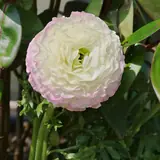
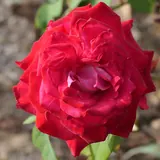
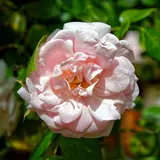
Layer upon layer of petals as thin as tissue paper. The ranunculus arrives in winter, when there are no peonies, and it is one of the favorite flowers for bridal bouquets.

- Scientific name
- Ranunculus asiaticusfrom the eastern Mediterranean
- Season
- December to Aprilin Spain; September and October in the south
- Meaning
- Charm and attraction“I am dazzled by you”
- Vase life
- 7 to 10 daysand they keep opening
What it means to give ranunculus
The ranunculus is associated with charm and attraction. In the Victorian language of flowers it said “I am dazzled by your charms”: a romantic way of telling someone you like them without the usual red rose.
By color, white and pale pink are the bridal shades, red is passion, orange and yellow convey joy, and burgundy is pure elegance.
The flower of winter
The ranunculus is one of the few truly beautiful flowers in season in the middle of winter in Spain:
- Spain: January, February, March, April, December.
- Mexico and Central America: out of local season (greenhouse-grown or imported).
- Argentina, Chile and Uruguay: September, October.
That makes it a perfect choice for Valentine’s Day if you want something other than a rose, and for winter and spring weddings.
The peony stand-in
When it isn’t peony season, florists turn to the ranunculus: it has the same look of a flower full of petals, but smaller. Many brides who dream of a peony bouquet and marry in winter end up carrying ranunculus.
When to give ranunculus
- Valentine’s Day: red or pink, an original alternative to the rose.
- Weddings: in the bridal bouquet, boutonnieres and centerpieces.
- March 8 and winter birthdays: a bouquet of colorful ranunculus brightens any home in February.
How to care for a bouquet of ranunculus
- Buy them in bud, when the color shows but they are not yet open. They will open little by little over several days.
- Little water, and cool: the stem is hollow and soft, and it rots if deeply submerged.
- Trim the stem a little each time you change the water, every two days.
- Away from heat: radiators make them open all at once and wilt sooner.
How to combine them in a bouquet
Ranunculus look lovely on their own, in a single-color bouquet, but they also combine very well:
- With anemones and tulips: the classic winter trio, all in season in January and February.
- With eucalyptus and baby’s breath: for a light, romantic bridal bouquet in white and pale pink.
- In oranges and yellows with mimosa: a cheerful bouquet for March 8.
- With garden roses: the ranunculus fills the gaps and adds texture.
Since it is a small flower, it is best to group them in threes or fives of the same color so they stand out.
How to plant ranunculus
The ranunculus grows from corms shaped like small claws. In Spain they are planted in the fall, after soaking them for a few hours, with the “claws” facing down and about 5 cm (2 in) deep. They need sun and soil that drains well: if it gets waterlogged, they rot. They bloom in late winter and spring, and in pots they look lovely on a sunny balcony.
Frequently asked questions
What does it mean to give ranunculus?
Charm and attraction. In the Victorian language of flowers a ranunculus said “I am dazzled by your charms”, so it is a romantic gift without being as obvious as the red rose.
When is ranunculus season?
In Spain, from December to April, peaking in February and March. In the southern hemisphere, between September and October. Outside those weeks they are hard to find.
How is a ranunculus different from a peony?
The ranunculus is smaller, has thinner, tighter petals and a hollow stem, and blooms in winter. The peony is bigger, more fragrant and blooms in May and June.
Are ranunculus toxic?
Yes, like all plants in the Ranunculus genus: their sap irritates the skin and mouth. They are not dangerous in a vase, but keep them away from cats, dogs and small children.
What are ranunculus called elsewhere?
In Spanish it is ranúnculo (in Spain also francesilla), and in French renoncule. In English they are sometimes called Persian buttercups.