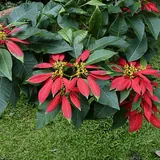
By flower · October and November
Cempasúchil: the flower that guides the souls
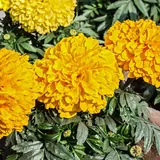
Orange, intense and with an unmistakable scent, the cempasúchil (Mexican marigold) marks the path of the dead to the altar every November 2 in Mexico.

- Scientific name
- Tagetes erectanative to Mexico
- Season
- October and Novembersown in summer
- Meaning
- Life, death and returnthe path to the altar
- Key date
- November 1 and 2Day of the Dead
What the cempasúchil flower means
In Mexico, cempasúchil is the flower of the Day of the Dead. According to tradition, its intense sun-like orange color and its strong scent help the souls of the dead find their way back home on the night of November 1 to 2. That is why its petals are used to trace a path from the door to the ofrenda (altar), and arches and bunches are placed around the photos, the candles and the pan de muerto (bread of the dead).
More than sadness, cempasúchil represents reunion: it is a flower of celebration, color and memory.
A Nahuatl name
The word comes from the Nahuatl cempōhualxōchitl, from cempōhualli (twenty) and xōchitl (flower). It is usually translated as “twenty-petal flower” or “flower of many petals”. The Mexica peoples already used it in rituals and as a medicinal plant before the Spanish arrived, and the celebration of the dead later blended with the Catholic All Saints’ Day.
When cempasúchil is used
| Date | What is celebrated and why | Flower | Color | Where |
|---|---|---|---|---|
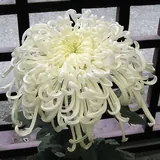
| every year | All Saints’ Day Families clean and decorate the graves of their loved ones. The chrysanthemum is the flower of the day: bringing one is a way of saying they are remembered. | Chrysanthemums | White | Spain and much of Latin America |
| every year | Day of the Dead The color and scent of cempasúchil mark the path of the souls to the altar (ofrenda). Its orange petals are one of the visual symbols of the celebration. | Cempasúchil (Mexican marigold) | Orange | Mexico |
In Mexico the altars are set up from late October. Traditionally, October 28 remembers those who died in accidents, November 1 is for children and November 2 for adults, although customs vary between regions. In every case, cempasúchil is there. You’ll find the full story in the All Saints’ Day and Day of the Dead guide.
Cempasúchil season
Cempasúchil is sown in summer to bloom in autumn, just in time for November. The orange fields of Puebla, the State of Mexico, Michoacán or the chinampas of Xochimilco are a typical sight in those weeks:
- Spain: out of local season (greenhouse-grown or imported).
- Mexico and Central America: September, October, November.
- Argentina, Chile and Uruguay: out of local season (greenhouse-grown or imported).
Outside Mexico it is increasingly found in markets and flower shops in the US and Europe at the same time of year, especially in Mexican stores.
How to use it on an altar
- A path of petals: from the front door to the altar, to guide the souls.
- An arch: an arch of flowers over the altar symbolizes the door between the two worlds.
- Bunches and pots: on each side of the altar, combined with deep red terciopelo (cockscomb) and white baby’s breath.
- Crosses of petals in some regions, on the table or in front of the door.
Fun facts
Cempasúchil is rich in lutein, a yellow pigment extracted from the flower on an industrial scale and used, among other things, to color egg yolks through chicken feed. In gardening, its scent is used to keep some pests away from vegetable patches. And since the film Coco (2017), its bridge of orange petals has become one of the most recognizable images of Mexico around the world.
Tip: if you buy cut cempasúchil, put it in fresh water as soon as possible and remove the lower leaves. On the altar it lasts several days; in a pot, weeks.
Remind me 3 days before
Download the reminder and open it with your phone’s calendar: it repeats every year and alerts you three days before, so you have time to order the bouquet.
Frequently asked questions
What does the cempasúchil flower mean?
In Mexican tradition, its color and scent guide the souls of the dead to the Day of the Dead altar (ofrenda). It represents the bond between life and death.
What does cempasúchil mean in Nahuatl?
It comes from cempōhualxōchitl, usually translated as “twenty-petal flower” or “flower of many petals”, because of the number of petals in its flower head.
When is cempasúchil placed on the altar?
From late October. Altars are set up before November 1 and 2, and the petals are used to make a path from the door to the altar.
Where is cempasúchil grown?
All over Mexico, with large crops in states such as Puebla, the State of Mexico, Michoacán and Hidalgo. In Xochimilco it is also grown on chinampas (floating gardens).
Is cempasúchil the same as the French marigold?
They are relatives in the same genus, Tagetes. In Europe the smaller French marigolds are common in gardens, while the Mexican cempasúchil is bigger.