Occasion · when needed
Sympathy flowers: what to send and what to write
When you don’t know what to say, flowers help. Which flowers to send to a funeral or to the family, which format to choose, what to write on the card and when it’s better not to send flowers.

- Usual flowers
- Lilies, roses, chrysanthemumscarnations, gladioli, orchids
- Color
- Whiteor soft tones
- To the funeral home
- Wreath or arrangementin the name of the deceased
- To the family
- Bouquet or plantalso in the days after
Which flowers to send
In grief, flowers say what is hard to put into words. These are the most common:
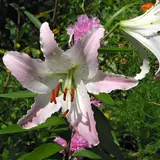
- White lily: peace and purity. It is the most widespread sympathy flower in Latin America and the US.
- White roses: respect and remembrance; dark red roses express deep love for the person who has gone.
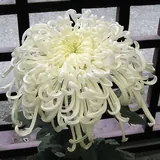
- Chrysanthemums: in Spain, France and Italy they are the flower of remembrance par excellence.
- White carnations: remembrance and affection; very long-lasting.
- Gladioli: strength and integrity; widely used in wreaths because of their height.
- White orchids: a plant the family can keep for a long time.
White is the most common color, but it isn’t compulsory: soft tones, such as lilac, pale pink or green, are just as appropriate, and if the person who died had a favorite flower or color, choosing it is a beautiful tribute.
Wreath, arrangement, bouquet or plant
- Wreath: for the funeral home or the ceremony. It is usually sent by a group (coworkers, friends, a company) and has a ribbon with the sender’s name.
- Arrangement or floral cushion: more discreet than a wreath, also for the funeral home.
- Bouquet: to give to the family at home, in person or by delivery.
- Plant: an orchid, a peace lily or a small tree. It lasts and keeps the family company long after the funeral.
If you’re sending to a funeral home, include the full name of the deceased, the room and the times of the wake. Florists nearby usually know the logistics well.
What to write on the card
There’s no need to be eloquent; what matters is that it is sincere and brief. Some phrases:
- “With deepest sympathy. With all our love.”
- “In memory of [name], who always made us laugh.”
- “We are with you. We’re here for anything you need.”
- “With love and a huge hug for the whole family.”
Always sign with your name, and your family’s or company’s if appropriate, so the family knows who was there for them.
Customs by religion and culture
- Catholic and Christian tradition in general: flowers at the wake, the mass and the cemetery are customary.
- Jewish tradition: sending flowers isn’t customary. It is better to be there in person, bring food to the family during shiva or make a donation.
- Muslim tradition: many families don’t send flowers either; ask first or choose another gesture.
- Mexico: beyond the funeral, remembrance continues on the Day of the Dead, with cempasúchil on the altar.
If the family has asked for donations instead of flowers, respect their wishes.
Flowers after the funeral
The days after the burial are often the hardest: the visits stop and the house falls silent. A bouquet or plant a week or two later, or on the first anniversary, says “I’m still here” in a way the family remembers. And every year, on dates such as All Saints’ Day, bringing flowers to the cemetery is a way of keeping the memory alive:
| Date | What is celebrated and why | Flower | Color | Where |
|---|---|---|---|---|
| every year | All Saints’ Day Families clean and decorate the graves of their loved ones. The chrysanthemum is the flower of the day: bringing one is a way of saying they are remembered. | Chrysanthemums | White | Spain and much of Latin America |
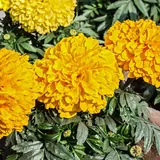
| every year | Day of the Dead The color and scent of cempasúchil mark the path of the souls to the altar (ofrenda). Its orange petals are one of the visual symbols of the celebration. | Cempasúchil (Mexican marigold) | Orange | Mexico |
Remind me 3 days before
Download the reminder and open it with your phone’s calendar: it repeats every year and alerts you three days before, so you have time to order the bouquet.
Frequently asked questions
Which flowers are sent to a funeral?
White lilies, white roses, chrysanthemums, carnations, gladioli and orchids are the most common. White conveys peace and respect, but soft tones are also appropriate.
What is the difference between a wreath and a sympathy bouquet?
A wreath or arrangement is sent to the funeral home or the ceremony and usually comes from a group or company. A bouquet or plant is sent to the family’s home, often in the following days.
What do you write on a sympathy card?
Something short and sincere: “With deepest sympathy”, “With love, in memory of…”, or a specific memory of the person. Sign with your name so the family knows who it is from.
When should you not send flowers to a funeral?
At Jewish funerals it isn’t customary to send flowers, and at many Muslim funerals it isn’t either. If the family asks for donations to a cause instead of flowers, respect their wishes.
Can you send flowers days after the funeral?
Yes, and it is a much-appreciated gesture. After the burial the family is often left alone; a bouquet or plant a week or two later reminds them that you are still there.