By flower · all year
Roses: what each color means and when to give them
The world’s most-given flower has a language of its own: the color, the number and the date change the message. Here’s what each rose says, when it’s the right time and how to care for it.

- Scientific name
- Rosa spp.hundreds of species and thousands of varieties
- Season
- All yeargreenhouse-grown; outdoors, April to November in Spain
- Key dates
- Feb 14 · Apr 23 · Dec 12Valentine’s Day, Sant Jordi and Guadalupe
- Vase life
- 7 to 10 dayswith clean water and a trimmed stem
What each rose color means
The rose is the flower with the best-known language. The color is the first thing people read, so it’s worth choosing it on purpose:
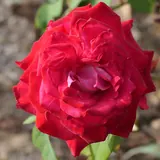
- Red: romantic love and passion. It is the rose of Valentine’s Day and of Sant Jordi.
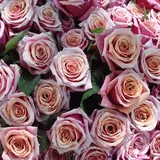
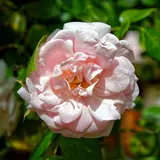
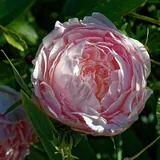
- Pink: affection, tenderness and gratitude. It suits mothers, friends and relationships that are just starting; it is the rose of Girlfriend Day and of Korea’s Rose Day.
- White: purity, respect and peace. It appears at weddings and in sympathy bouquets.
- Yellow: friendship and joy. In the 19th century it was read as jealousy, but today it is the color of the yellow flowers trend.
- Orange or coral: enthusiasm and desire, halfway between friendship and love.
- Blue and purple: they don’t exist in nature in those shades; the ones you see are dyed. They belong to the blue flowers and purple flowers trends.
If you want to compare with other flowers, there’s the complete guide to the meaning of flower colors.
Dates on which roses are given
No other flower appears so many times in the calendar. These are the dates on which the rose is the star:
| Date | What is celebrated and why | Flower | Color | Where |
|---|---|---|---|---|
| every year | Our Lady of Guadalupe According to tradition, in 1531 Juan Diego carried roses from Tepeyac hill in his cloak (tilma), in the middle of December. That is why every December 12 millions of people bring roses to the Basilica. | Roses | Red | Mexico |
| every year | Rose Day It opens Valentine’s Week: each of the seven days before Valentine’s Day has its own theme, and the first one is for giving roses. It is everywhere in Bollywood edits and reels. | Roses | Red | India |
| every year | Valentine’s Day The biggest day of the year for flowers. The red rose is the universal code for “I like you”; in several Latin American countries friendship is celebrated too, so giving flowers to friends also counts. | Red roses | Red | Worldwide · in Mexico and other countries, Day of Love and Friendship |
| every year | Sant Jordi Legend has it that a rosebush sprang from the blood of the dragon slain by Saint George (Sant Jordi). Barcelona fills with rose and book stalls; the book was added in the 20th century and coincides with World Book Day. | A red rose and a book | Red | Catalonia |
| every year | Rose Day In Korea the 14th of every month has a theme for couples. May’s is roses: if you follow K-dramas or K-pop, it will sound familiar. | Roses | Pink | South Korea |
| every year | Dia dos Namorados Brazil’s Valentine’s Day falls on the eve of Saint Anthony’s Day, the matchmaker saint. It became popular in 1949 with an advertising campaign and today it is one of the biggest dates of the year there. | Red roses | Red | Brazil |
The roses of Our Lady of Guadalupe
Every December 12, millions of people bring roses to the Basilica of Guadalupe in Mexico City. According to tradition, in 1531 Juan Diego climbed Tepeyac hill in the middle of winter, found roses where there shouldn’t have been any and carried them in his cloak (tilma) to the bishop. When he opened it, the roses fell out and the image of the Virgin appeared. That’s why in Mexico December is one of the months with the highest rose sales of the year, right after February and May.
Rose season
Roses are grown in greenhouses all over the world, so you’ll find them in any flower shop all twelve months. Colombia and Ecuador are two of the big producers: the altitude of the Andes gives long stems and large heads. Outdoors, these are their best periods by region:
- Spain: April, May, June, September, October, November.
- Mexico and Central America: January, February, May, June, September, October, December.
- Argentina, Chile and Uruguay: March, April, May, June, October, November.
Spring garden roses are more fragrant than greenhouse ones; if you can choose, in May and June they’re worth looking for at local markets.
How to make a bouquet of roses last longer
- Trim the stem 2 or 3 cm at an angle with a clean knife, ideally under water so no air gets in.
- Remove the leaves that would sit under water: they rot and cloud the water.
- Fresh water every two days and a clean vase. If the bouquet comes with a sachet of flower food, use it.
- Away from heat and fruit: direct sun, heating and the ethylene from ripe bananas and apples make roses open and wilt faster.
- If a rose droops its head, trim the stem and lay it flat in fresh water for a couple of hours; it often recovers.
Tip: for Valentine’s Day and Sant Jordi prices go up and roses fly off the shelves. Order a few days ahead, or choose one beautiful rose instead of a mediocre dozen.
Remind me 3 days before
Download the reminder and open it with your phone’s calendar: it repeats every year and alerts you three days before, so you have time to order the bouquet.
Frequently asked questions
What does it mean to give a red rose?
Romantic love and passion. It is the flower of Valentine’s Day and Sant Jordi, and the most direct way of saying “I like you” or “I love you”.
What do yellow roses mean?
Friendship and joy. They used to be associated with jealousy, but today they are the color of friendship and of the September 21 yellow flowers trend.
What do white roses mean?
Purity, respect and new beginnings. They are used at weddings and also in sympathy bouquets.
How many roses should you give?
There is no fixed rule. A single rose is a classic gesture (as on Sant Jordi) and a dozen is the traditional Valentine’s bouquet. The message matters more than the number.
How do you make roses last longer?
Cut 2 or 3 cm off the stem at an angle, remove the leaves below the waterline, change the water every two days and keep the vase away from the sun, heating and ripe fruit.