Occasion · all year
Wedding flowers: bridal bouquet and seasons
The bridal bouquet, the boutonniere, the centerpieces, the church… Flowers are one of the most visible parts of a wedding. What to choose in each season, what it means and how to save without it showing.

- All-year flowers
- Roses, calla liliesorchids and baby’s breath
- Spring
- Peonies and ranunculusthe star season
- Classic color
- Whitesince Queen Victoria
- Tip
- Seasonal flowersprettier and cheaper
The bridal bouquet
The bouquet is the most important floral piece of the wedding. White became the classic color after Queen Victoria married in white in 1840, and ever since her eldest daughter, British royal brides have carried a sprig of myrtle, a symbol of love and marriage.
The most common flowers in a bridal bouquet and what they mean:
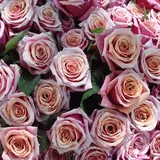
- Rose: love. White, pale pink or champagne.
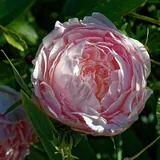
- Peony: a happy marriage and prosperity. The spring favorite.
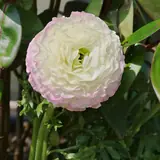
- Ranunculus: charm. The peony of winter weddings.
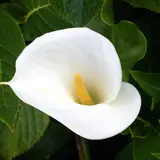
- Calla lily: purity and elegance, for minimalist bouquets.
- Orchid: delicate love and luxury.
- Lily of the valley: happiness. The one in royal bouquets.
- Jasmine and lavender: for their scent, at summer weddings.
Flowers for each season
Choosing seasonal flowers is the best way to get a prettier, fresher and cheaper bouquet. For a wedding in Spain or Mexico:
- Spring: peonies, ranunculus, tulips, lilac, freesia and lily of the valley.
- Summer: hydrangeas, lavender, sunflowers, dahlias, lisianthus and jasmine.
- Fall: dahlias, garden roses, asters, hypericum and warm-toned branches.
- Winter: ranunculus, anemones, amaryllis, hellebores and tulips.
- All year: roses, calla lilies, orchids, carnations, baby’s breath and eucalyptus.
For specific dates, see each month’s page with its seasonal flowers table.
Flower traditions at weddings
- The bouquet toss: whoever catches it will be the next to marry. Many brides prefer to give it to a friend or a grandmother, or leave it as an offering.
- The groom’s boutonniere: a flower from the bride’s bouquet on his lapel, so they match.
- Petals at the exit: more and more couples replace rice with flower petals.
- Flower crowns: at country and beach weddings, for the bride or the bridesmaids.
How to save on flowers
- Seasonal and local: a local flower in season can cost half as much as an imported one.
- Reuse: the ceremony arrangements can move to the head table or the photo booth afterwards.
- More greenery, fewer flowers: eucalyptus, olive or ruscus fill a lot and cost little.
- A few large flowers: hydrangeas, dahlias or peonies cover more than many small flowers.
And for the anniversaries to come, there is the guide to anniversary flowers.
Frequently asked questions
Which flowers are used in a bridal bouquet?
The most common are roses, peonies, ranunculus, calla lilies, orchids, lisianthus and baby’s breath, almost always with greenery such as eucalyptus or olive. Ideally, choose flowers in season for the wedding date.
Why does the bride toss the bouquet?
Tradition says whoever catches it will be the next to marry. In Spain it is increasingly common for the bride to give it to a friend or a grandmother, or leave it as an offering, instead of tossing it.
Which flowers should I choose for a fall wedding?
Dahlias, roses, autumn hydrangeas, colorful chrysanthemums (outside Spain), hypericum and warm-toned branches. In Mexico, the fall is the season for dahlias and cempasúchil.
How can I save on wedding flowers?
Choose local, seasonal flowers, reuse the ceremony arrangements at the reception, use more greenery and fewer flowers, and use a few large flowers instead of many small ones.
What is a boutonniere?
The flower the groom wears on his lapel. Traditionally it is one of the flowers from the bride’s bouquet, so they match.